Gardeners Club The Gardeners Club is a free to join online club for everyone with an interest in gardening and gardens.
Related Articles
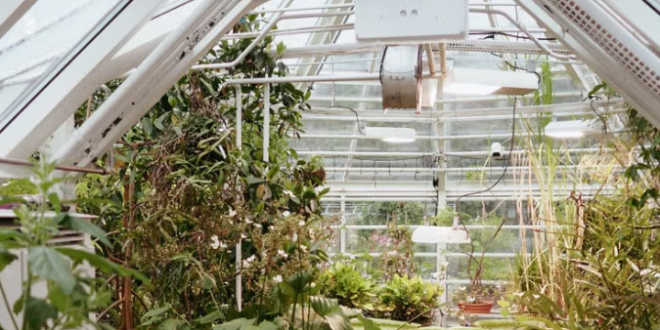
A greenhouse can be a fantastic addition to any garden, providing the perfect environment for growing flowers, vegetables and plants throughout the year. By creating a warmer, more controlled growing space, a greenhouse allows gardeners to extend their growing season and successfully cultivate plants that may struggle outdoors.
However, a greenhouse is not suitable for every garden. They require investment, maintenance and regular care to get the best results.
Before buying one, it’s worth considering the advantages and disadvantages to decide whether a greenhouse is the right choice for your outdoor space.
What Is a Greenhouse?
A greenhouse is a structure made from glass or transparent panels that allows sunlight to enter while trapping heat inside. This creates a warmer environment than the surrounding garden, helping plants grow in conditions that are often more favourable.
Greenhouses come in a variety of sizes and styles, including:
- Small lean-to greenhouses attached to a house or wall.
- Traditional freestanding glass greenhouses.
- Polycarbonate greenhouses.
- Compact mini greenhouses for smaller gardens.
They can be used for everything from growing tomatoes and cucumbers to raising seedlings and protecting delicate plants from harsh weather.
The Pros of Having a Greenhouse
1. Extend Your Growing Season
One of the biggest benefits of a greenhouse is that it allows you to grow plants for longer throughout the year.
A greenhouse warms up earlier in spring and stays productive later into autumn, giving you the opportunity to:
- Start seeds earlier.
- Grow vegetables for longer.
- Protect plants from early frosts.
- Harvest crops outside the usual growing season.
For gardeners who enjoy growing their own food, this extended season can significantly increase productivity.
2. Grow a Wider Variety of Plants
A greenhouse creates a warmer and more stable environment, allowing you to grow plants that may not thrive outdoors in the UK climate.
Popular greenhouse crops include:
- Tomatoes.
- Cucumbers.
- Peppers.
- Chillies.
- Aubergines.
- Grapes.
- Exotic flowers.
Many heat-loving plants perform far better inside a greenhouse because they benefit from higher temperatures and protection from unpredictable weather.
3. Protect Plants from Weather Damage
The British weather can be unpredictable, with heavy rain, strong winds, cold snaps and sudden temperature changes all affecting plants.
A greenhouse provides protection from:
- Frost.
- Strong winds.
- Heavy rainfall.
- Hail.
- Sudden temperature drops.
This can be particularly valuable for young plants and delicate crops.
4. Grow Your Own Food More Successfully
Growing vegetables outdoors can sometimes be challenging due to pests, poor weather and shorter growing seasons.
A greenhouse can improve your chances of success by providing:
- More consistent temperatures.
- Better growing conditions.
- Protection from some pests.
- Earlier harvests.
Many gardeners find that crops such as tomatoes and peppers produce much higher yields when grown under glass.
5. Start Seeds Earlier
A greenhouse is ideal for raising seedlings before planting them outside.
Starting plants from seed indoors allows you to:
- Save money compared with buying mature plants.
- Grow a wider selection of varieties.
- Give plants a stronger start.
- Avoid damage from cold spring weather.
Young plants can be nurtured in a protected environment before being moved into the garden.
6. Create a Gardening Space All Year Round
A greenhouse provides a dedicated gardening area even when the weather is poor.
During colder months, it can be used for:
- Storing frost-sensitive plants.
- Protecting bulbs and seedlings.
- Preparing spring planting.
- Growing winter salads.
It can become a productive space even when the rest of the garden is dormant.
The Cons of Having a Greenhouse
1. Initial Cost
One of the biggest drawbacks of a greenhouse is the upfront expense.
Costs can include:
- The greenhouse itself.
- A suitable base.
- Installation.
- Shelving and staging.
- Heating equipment.
- Irrigation systems.
- Accessories and tools.
While budget options are available, larger and higher-quality greenhouses can represent a significant investment.
2. Requires Regular Maintenance
A greenhouse is not a completely hands-off gardening solution.
It requires ongoing care, including:
- Cleaning glass or panels.
- Checking for damage.
- Managing ventilation.
- Controlling humidity.
- Removing algae and dirt.
- Repairing broken panes.
Keeping the greenhouse in good condition is essential for plant health and longevity.
3. Can Overheat During Summer
Although heat is a major benefit in colder months, it can become a problem during the height of summer.
On sunny days, greenhouse temperatures can rise quickly and become damaging to plants.
To prevent overheating, you may need:
- Automatic window openers.
- Greenhouse shading.
- Ventilation.
- Regular watering.
- Fans in larger structures.
Without proper management, plants can suffer from heat stress.
4. Takes Up Garden Space
A greenhouse requires a suitable location, which may be difficult in smaller gardens.
You need to consider:
- Available space.
- Access around the structure.
- Sunlight levels.
- Proximity to water.
- Protection from strong winds.
A poorly positioned greenhouse may not receive enough light or may become difficult to use.
5. Increased Risk of Pests and Diseases
While greenhouses protect plants from some outdoor threats, they can also create ideal conditions for pests and diseases.
Warm, humid environments can encourage problems such as:
- Aphids.
- Whitefly.
- Spider mites.
- Fungal diseases.
- Mould.
Good ventilation, cleanliness and regular monitoring are essential.
6. Requires Time and Commitment
A greenhouse works best for gardeners who enjoy spending time maintaining their plants.
Unlike outdoor plants that rely largely on natural rainfall, greenhouse crops often need:
- Regular watering.
- Feeding.
- Monitoring.
- Temperature management.
If you travel frequently or have limited time, a greenhouse may require more attention than you can provide.
Things to Consider Before Buying a Greenhouse
Before making a purchase, ask yourself:
How Much Space Do You Have?
Choose a greenhouse size that suits your garden without overwhelming the available space.
Remember that many gardeners wish they had bought a slightly larger greenhouse once they start using it.
What Do You Want to Grow?
Your intended plants should influence the type and size of greenhouse you choose.
Growing a few tomato plants requires far less space than raising seedlings or growing a wide range of crops.
Where Should You Position It?
The ideal location is usually:
- A sunny area.
- Away from excessive shade.
- Protected from strong winds.
- Close to a water source.
- Easily accessible from the house.
Good positioning can make a significant difference to success.
Do You Need Heating?
Many gardeners use an unheated greenhouse successfully, but additional heating may be required for tropical plants or year-round growing.
Consider whether the extra running costs are worthwhile for your gardening goals.
Greenhouse Alternatives
If a full greenhouse isn’t suitable, there are other options:
- Cold frames for protecting seedlings.
- Mini greenhouses for balconies or patios.
- Polytunnels for larger growing areas.
- Raised beds with protective covers.
- Indoor grow lights for starting seeds.
These alternatives can provide some of the benefits of a greenhouse with less space or cost.
A greenhouse can transform the way you garden, allowing you to grow a wider variety of plants, extend your growing season and enjoy fresh produce for longer. For enthusiastic gardeners, it can be one of the most rewarding additions to an outdoor space.
However, a greenhouse also requires investment, maintenance and regular attention. It is important to consider the available space, your gardening goals and how much time you can dedicate before making a decision.
For those who enjoy growing their own food and spending time in the garden, a greenhouse can be a worthwhile investment that provides years of enjoyment and productivity.