Gardeners Club The Gardeners Club is a free to join online club for everyone with an interest in gardening and gardens.
Related Articles
When a hosepipe ban is introduced, it’s a clear sign that water supplies are under pressure. Extended periods of hot, dry weather can leave reservoirs at low levels, prompting water companies to introduce temporary restrictions to help conserve water.
While a hosepipe ban may mean changing some everyday habits, it doesn’t have to leave your garden struggling or make household tasks impossible. With a few simple adjustments, you can reduce water usage while keeping your plants healthy and your home in good condition.
What Is a Hosepipe Ban?
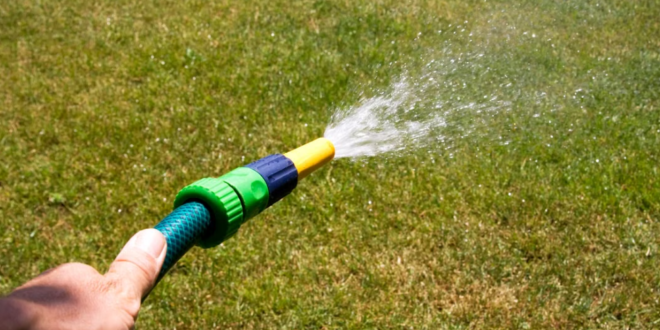
A hosepipe ban, officially known as a Temporary Use Ban (TUB), restricts the use of hosepipes for certain activities. These restrictions are put in place by water companies when water demand exceeds supply, usually after prolonged dry weather.
The aim is to reduce unnecessary water consumption and protect water resources until rainfall replenishes reservoirs and groundwater supplies.
Different water companies may have slightly different rules, so it’s always worth checking the specific restrictions that apply in your area.
What You Can Usually Still Do
Although hosepipes are restricted, many everyday activities can continue using a watering can or bucket.
You can usually:
- Water plants with a watering can.
- Use stored rainwater.
- Wash your car with a bucket and sponge.
- Water newly planted trees and shrubs with a watering can.
- Clean garden furniture using a bucket of water.
- Water indoor plants as normal.
Many bans encourage using collected rainwater wherever possible, helping to reduce pressure on treated drinking water supplies.
Activities That Are Often Restricted
The exact rules vary, but a hosepipe ban commonly prohibits using a hosepipe to:
- Water gardens and lawns.
- Fill paddling pools or swimming pools.
- Wash private vehicles.
- Clean patios, paths and driveways.
- Fill ornamental ponds.
- Clean windows or exterior walls.
- Water allotments using a hose.
Businesses such as professional car washes may be exempt because they often recycle water and operate under different regulations.
Prioritise Your Garden
During a hosepipe ban, it’s unrealistic to keep every part of the garden looking perfect. Instead, focus your efforts on protecting plants that are most vulnerable.
Give priority to:
- Newly planted trees and shrubs.
- Vegetable gardens.
- Hanging baskets.
- Pots and containers.
- Young plants with shallow roots.
Established lawns often recover surprisingly well after rainfall returns, even if they turn brown during a dry spell.
Water at the Right Time
Timing makes a significant difference to how much water your plants actually receive.
The best times to water are:
- Early in the morning.
- Late in the evening after temperatures have fallen.
Avoid watering during the middle of the day, when much of the moisture evaporates before reaching plant roots.
Water deeply but less often to encourage roots to grow further into the soil, making plants more drought-resistant.
Collect Rainwater
One of the easiest ways to reduce your reliance on mains water is to collect rainwater.
A water butt connected to a downpipe can store hundreds of litres after a single spell of rain.
Collected rainwater is ideal for:
- Garden plants.
- Vegetable patches.
- Containers.
- Greenhouses.
Rainwater is naturally softer than treated tap water and is often preferred by many plants.
Mulch Your Borders
Applying mulch around plants helps lock moisture into the soil.
Suitable materials include:
- Bark chippings.
- Compost.
- Wood chips.
- Leaf mould.
- Well-rotted manure.
A layer around 5–8cm thick can significantly reduce evaporation while helping suppress weeds that compete for water.
Leave the Lawn Alone
One of the biggest mistakes during a heatwave is continually watering grass.
Most lawns enter a natural dormant state during prolonged dry weather.
Rather than trying to keep it green:
- Raise the mower blades.
- Mow less frequently.
- Leave grass clippings on the lawn to retain moisture.
- Avoid heavy foot traffic where possible.
Once rain returns, healthy lawns usually recover within a few weeks.
Reduce Household Water Use
Saving water indoors is just as important as protecting your garden.
Simple ways to reduce consumption include:
- Taking shorter showers.
- Turning off taps while brushing your teeth.
- Running washing machines and dishwashers only with full loads.
- Fixing dripping taps promptly.
- Using a bowl to wash fruit and vegetables instead of running water continuously.
Small changes across a household can save hundreds of litres each week.
Wash Your Car the Old-Fashioned Way
If permitted under your local restrictions, washing your car with a bucket and sponge typically uses far less water than a hose.
Using biodegradable car shampoo also reduces environmental impact if any runoff reaches drains.
Alternatively, consider using a professional car wash that recycles much of its water.
Protect Wildlife
Birds, hedgehogs and pollinating insects can struggle during long periods of hot weather.
Help local wildlife by:
- Leaving shallow bowls of fresh water.
- Topping them up daily.
- Adding stones or pebbles so insects can safely climb out.
- Keeping ponds topped up if allowed under your local restrictions.
Providing water can make a real difference to animals during prolonged dry conditions.
Plan for Future Dry Summers
Heatwaves and periods of drought are becoming more frequent, making it worthwhile to prepare your garden for future hosepipe bans.
Consider investing in:
- Water butts.
- Drought-tolerant plants.
- Drip irrigation systems that can use stored rainwater.
- Mulch for borders.
- Permeable paving that allows rainwater to soak into the ground.
Replacing thirsty plants with species adapted to dry conditions can reduce watering needs throughout the summer.
Understand Any Exemptions
Some people may qualify for exemptions during a hosepipe ban.
For example, exemptions may apply if water is needed:
- For health or mobility reasons.
- To care for assistance animals.
- For certain commercial or agricultural purposes.
Eligibility varies between water companies, so check the guidance from your supplier if you think you may qualify.
A hosepipe ban can be inconvenient, but it’s also an opportunity to develop more sustainable water habits. By using watering cans, collecting rainwater, prioritising the plants that need attention most and reducing water use around the home, you can help conserve an essential resource while keeping your garden healthy.
Many gardens are far more resilient than they appear, and with a little planning they’ll recover quickly once wetter weather returns. Making small changes today can also leave your home and garden better prepared for the increasingly hot and dry summers that many parts of the UK are experiencing.