Gardeners Club The Gardeners Club is a free to join online club for everyone with an interest in gardening and gardens.
Related Articles
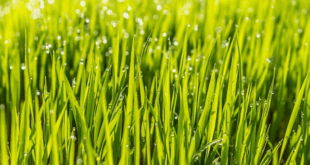

The Blue tit (Cyanistes caeruleus) is one of the most familiar and beloved garden birds in the UK. With their bright blue and yellow feathers and energetic behaviour, they bring life to gardens all year round. Fortunately, looking after them is relatively simple — and even small changes to your outdoor space can make a big difference.
Here’s how to create a safe, welcoming environment that helps blue tits thrive.
Provide the Right Food
Blue tits have a varied diet depending on the season. Insects are their main natural food source, but garden feeding can support them, especially in winter and during breeding season.
Best foods to offer:
- Sunflower seeds (especially black oil sunflower seeds)
- Suet balls or suet blocks
- Mealworms (live or dried)
- Peanuts (unsalted and in mesh feeders for safety)
- Insects and larvae (naturally or from wildlife-friendly habitats)
Feeding tips:
- Use small feeders to suit their size
- Clean feeders regularly to prevent disease
- Avoid salty or processed human food
Offer Fresh Water
Clean water is essential for drinking and bathing.
To support blue tits:
- Provide a shallow bird bath
- Change water every 1–2 days
- Keep it clean and free from algae
- Place it somewhere safe from predators
In winter, check regularly to ensure water hasn’t frozen.
Put Up Nesting Boxes
Blue tits are cavity nesters, meaning they naturally look for holes in trees or walls. Nest boxes are one of the most effective ways to help them breed safely.
Nest box tips:
- Use a 25mm entrance hole (ideal for blue tits)
- Place the box 2–4 metres high
- Face it between north and east (avoids direct sun and rain)
- Position away from busy human activity
Leave boxes undisturbed during the breeding season (spring to early summer).
Create a Natural Garden Habitat
Blue tits rely heavily on insects, especially when feeding chicks. A wildlife-friendly garden helps provide a natural food source.
Encourage insects by:
- Planting native shrubs and trees
- Leaving some wild areas in the garden
- Avoiding pesticides and chemicals
- Growing pollinator-friendly plants like lavender and foxgloves
Hedges and dense shrubs also provide shelter and foraging opportunities.
Provide Safe Shelter
Blue tits need protection from predators such as cats and larger birds.
To make your garden safer:
- Keep bird feeders away from dense cover where cats can hide
- Place feeders and baths in open but nearby sheltered areas
- Install thorny shrubs like hawthorn or blackthorn for natural protection
Balance is key — open space for safety awareness, but nearby cover for quick escape.
Feed Them Year-Round
Many people only feed birds in winter, but blue tits benefit from support throughout the year.
Seasonal guidance:
- Winter: High-energy foods like suet and seeds are vital
- Spring: Protein-rich food helps during breeding season
- Summer: Natural insects are important, but supplemental mealworms can help
- Autumn: Build energy reserves for colder months
Avoid Common Risks
A few simple precautions help keep blue tits safe:
- Avoid using pesticides or slug pellets
- Don’t use plastic netting in gardens (can trap birds)
- Keep feeders and baths clean to prevent disease
- Ensure nest boxes are predator-proof
Small actions significantly improve survival rates, especially during breeding season.
Enjoy Watching Their Behaviour
One of the joys of helping blue tits is observing their lively behaviour. They are curious, agile, and often return to the same feeders and nest sites year after year.
You may notice:
- Rapid acrobatic feeding on feeders
- Pair bonding behaviour in spring
- Aggressive defence of nest sites
- Chicks peeking from nest boxes in early summer
Supporting the Blue tit (Cyanistes caeruleus) doesn’t require a large or complicated garden. By providing food, water, nesting spaces, and a safe environment, you can help these energetic birds thrive all year round.
In return, they’ll reward you with colour, movement, and endless entertainment — turning your garden into a small but vibrant wildlife haven.