Gardeners Club The Gardeners Club is a free to join online club for everyone with an interest in gardening and gardens.
Related Articles
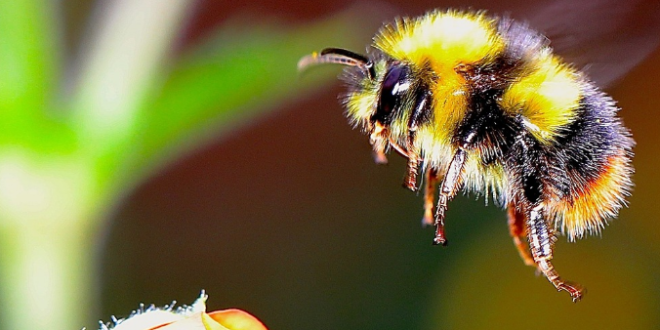
Pollinators are some of the hardest-working creatures in nature — and without them, our gardens, farms, and food systems would look very different. From bees and butterflies to birds and beetles, pollinators play a vital role in plant reproduction and biodiversity. Whether you’re a gardener, homeowner, or simply someone who enjoys nature, understanding pollinators is the first step toward protecting them.
Here’s your complete guide to pollinators — what they do, why they matter, and how you can help.
What Is a Pollinator?
A pollinator is any animal that transfers pollen from the male part of a flower (anther) to the female part (stigma), allowing fertilisation and the production of seeds and fruit.
While wind and water can move pollen, animal pollinators are responsible for pollinating around 75% of flowering plants globally, including many crops we rely on for food.
Common Types of Pollinators
Bees
Bees are the most effective and well-known pollinators. Their fuzzy bodies trap pollen as they move from flower to flower.
In the UK alone, there are over 250 species of bees, including:
- Honeybees
- Bumblebees
- Solitary bees
Bees are essential for crops like apples, strawberries, and tomatoes.
Butterflies and Moths
Butterflies pollinate during the day, while moths take the night shift. They’re attracted to brightly coloured or fragrant flowers.
They play an important role in pollinating wildflowers and garden plants.
Beetles
Beetles were among the earliest pollinators in evolutionary history. They’re less precise than bees but still contribute significantly.
Birds
In some parts of the world, birds such as hummingbirds act as major pollinators. In the UK, bird pollination is less common but still contributes in certain ecosystems.
Bats
In warmer climates, bats pollinate night-blooming flowers. They are crucial in tropical and desert regions.
Why Pollinators Are So Important
1. Food Production
Many fruits, vegetables, nuts, and seeds depend on pollinators. Without them, yields would drop dramatically.
2. Biodiversity
Pollination allows plants to reproduce, supporting entire ecosystems and food chains.
3. Healthy Landscapes
Pollinated plants produce seeds and fruit that feed wildlife and help regenerate forests and habitats.
Why Pollinators Are in Decline
Unfortunately, pollinator populations are under pressure due to:
- Habitat loss
- Pesticide use
- Climate change
- Disease and parasites
- Urbanisation
This decline affects both wildlife and human food systems.
How to Create a Pollinator-Friendly Garden
You don’t need acres of land to help — even a small balcony can make a difference.
1. Plant Pollinator-Friendly Flowers
Choose nectar-rich plants that bloom across seasons:
Spring:
- Crocus
- Primrose
- Lungwort
Summer:
- Lavender
- Foxglove
- Echinacea
Autumn:
- Sedum
- Asters
- Ivy
Native plants are especially valuable because local pollinators have evolved alongside them.
2. Avoid Harmful Pesticides
Chemical pesticides can harm bees and other pollinators. Opt for:
- Natural pest control
- Companion planting
- Manual removal of pests
3. Provide Shelter
Pollinators need safe spaces to nest and overwinter:
- Leave small patches of wild garden
- Install bee hotels
- Keep hollow stems over winter
- Leave some leaf litter undisturbed
4. Offer Water
A shallow dish with stones allows insects to land and drink safely.
5. Let It Grow a Little Wild
A perfectly manicured lawn isn’t ideal for wildlife. Consider:
- Allowing clover and daisies to flower
- Reducing mowing frequency
- Creating a wildflower patch
Pollinators and the Bigger Picture
Supporting pollinators isn’t just about pretty flowers — it’s about protecting ecosystems and food security. Small changes in individual gardens can collectively make a huge impact.
When communities plant pollinator-friendly spaces, reduce pesticide use, and value biodiversity, we create corridors of habitat that allow these species to thrive.
Pollinators are essential, fascinating, and increasingly vulnerable. By understanding their role and making simple changes — planting diverse flowers, reducing chemicals, and creating safe habitats — you can actively support their survival.
Every flower planted is a small step toward a healthier planet.