Gardeners Club The Gardeners Club is a free to join online club for everyone with an interest in gardening and gardens.
Related Articles


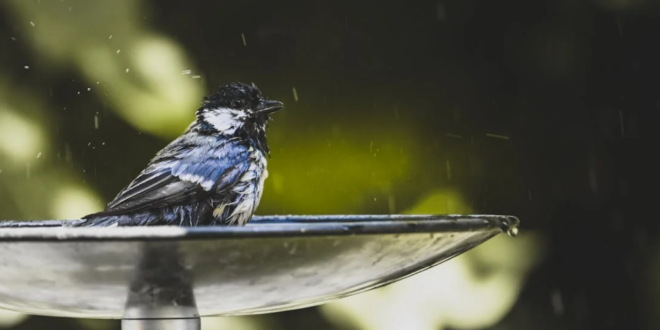
A bird bath is one of the simplest and most rewarding additions you can make to a garden. It attracts a wide variety of birds, supports local wildlife, and brings movement and life to outdoor spaces. However, where you place your bird bath makes a huge difference to how often it’s used and how safe it is for visiting birds.
Choosing the right location is about balancing visibility, safety, shade, and accessibility.
Choose a Safe, Open Spot
Birds need to feel safe when they come to drink or bathe. The best location is usually an open area where they can easily see approaching predators.
Ideal placement:
- A clear space on a lawn or patio
- A spot visible from nearby trees or hedges
- Away from dense, hiding places for cats
Avoid placing the bird bath too close to thick bushes where predators might hide and ambush birds.
Keep It Near Natural Cover
While birds need openness for safety, they also need quick access to shelter. The perfect setup balances visibility with nearby escape routes.
Good options include:
- 2–3 metres from a tree or shrub
- Near hedges but not inside them
- Close to branches where birds can perch before or after bathing
This gives birds confidence to visit while still feeling protected.
Avoid Direct Sun All Day
Full sun can quickly heat the water, making it uncomfortable for birds and encouraging algae growth.
Best placement:
- Morning sun with afternoon shade
- Dappled shade under a tree
- A partially sheltered corner of the garden
Keeping the water cool and fresh encourages more frequent visits.
Make It Visible from Indoors
One of the joys of a bird bath is watching wildlife from your home. Placing it where you can easily see it increases enjoyment and allows you to monitor activity.
Good viewing spots include:
- Outside a kitchen or living room window
- Near a patio seating area
- Along a frequently used garden path
This also helps you remember to refill and clean it regularly.
Keep It Away from Feeders
Bird feeders and bird baths should not be placed too close together. While both attract birds, they serve different purposes.
Why separation matters:
- Prevents water contamination from seeds and droppings
- Reduces crowding and competition
- Encourages natural movement between feeding and bathing areas
A distance of a few metres is usually ideal.
Ensure Stability and Safety
The surface beneath your bird bath is just as important as its location.
Best placement conditions:
- Flat, stable ground or a solid base
- A raised stand to keep it off the soil
- Away from areas where pets or children might knock it over
A stable bird bath is safer for birds and requires less maintenance.
Consider Height and Design
Different bird species prefer different heights, but most garden birds are comfortable with shallow, raised baths.
General guidelines:
- Low baths attract ground-feeding birds
- Raised baths offer better protection from predators
- Avoid very deep water (2–5 cm depth is ideal)
Adding stones or pebbles inside the bath can also help smaller birds feel more secure.
Keep It Clean and Fresh
Even the best location won’t matter if the water isn’t clean.
Maintenance tips:
- Change water every 1–2 days in warm weather
- Scrub regularly to prevent algae and bacteria
- Refill more often during hot spells or freezing conditions
Clean water is essential for bird health and will encourage repeat visits.
Seasonal Adjustments
You may need to adjust the position slightly throughout the year.
For example:
- In summer, move it into more shade
- In winter, place it in a sunny spot to prevent freezing
- Avoid areas where fallen leaves collect in autumn
Small changes can keep your bird bath effective all year round.
The best place for a bird bath is a carefully chosen balance of safety, visibility, and comfort. A well-positioned bath near natural cover, away from predators, and kept in fresh water will quickly become a favourite stop for garden birds.
With the right setup, you’ll not only support local wildlife but also enjoy daily visits from a variety of beautiful bird species right outside your window.