Gardeners Club The Gardeners Club is a free to join online club for everyone with an interest in gardening and gardens.
Related Articles



Microgreens are most often associated with delicate flavors and decorative garnishes. However, some varieties can surprise you with their intense, peppery, or mustard-like taste. Spicy microgreens are becoming increasingly popular among both cooking enthusiasts and professional microgreens growers. They can enhance the flavor of many dishes while also improving their visual appeal. Which varieties are worth choosing, and what should you consider when buying seeds?
What gives spicy microgreens their distinctive flavor?
The characteristic taste of spicy microgreens comes from naturally occurring compounds found in certain plant species. Many vegetables belonging to the cabbage family, including radishes and mustard greens, contain glucosinolates. When plant tissues are cut or chewed, these compounds contribute to the formation of substances responsible for their distinctive pungency.
However, not all spicy microgreens seeds have the same level of intensity. Some offer a delicate peppery note, while others deliver a much sharper flavor. These differences may depend on the variety, growing conditions, and harvesting time. This makes it possible to select specific microgreens for different culinary applications.
Which spicy microgreens varieties are worth trying?
The selection of spicy microgreens is much wider than you might expect. Individual varieties differ not only in flavor intensity but also in color, texture, and leaf appearance.
Some particularly interesting options include:
- Radish Daikon, a radish variety with a fresh, peppery flavor and crunchy texture;
- Radish Red Rambo, a variety distinguished by its purple-red coloration and sharp taste;
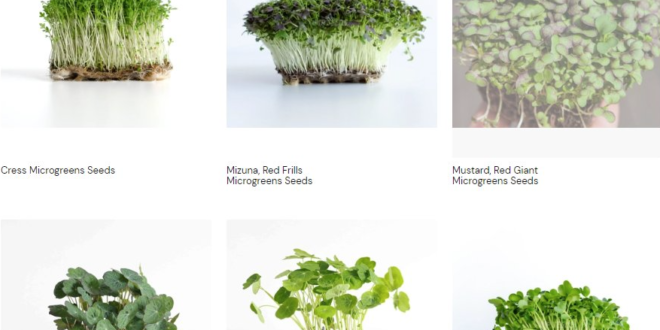
- Mustard Red Giant, known for its pronounced mustard notes and decorative leaves;
- Cress, characterized by its intense, peppery flavor;
- Mizuna Red Frills, a variety combining mild spiciness with attractive, finely divided leaves;
- Nasturtium, offering distinctive rounded leaves and a bold, peppery flavor.
Each of these plants provides a slightly different taste experience. Radish microgreens offer fresh pungency, mustard varieties deliver stronger mustard-like notes, while mizuna is a good choice for those who prefer milder flavors.
How to choose spicy microgreens seeds for different purposes?
Choosing the right seeds should primarily depend on how the harvested microgreens will be used. Restaurants often pay attention to both flavor intensity and the decorative appearance of plants. Home growers, on the other hand, may prefer varieties with more versatile culinary applications.
When buying spicy microgreens seeds, it is worth comparing the characteristics of individual species. Colorful radish varieties work particularly well as garnishes, while cress can provide a distinctive addition to sandwiches and salads.
Growth rate, cultivation requirements, and expected harvesting time are also important considerations. Selecting varieties with similar growing needs can make production easier to organize, especially when working with multiple growing trays.
How can you use spicy microgreens in everyday cooking?
Spicy microgreens can enhance the flavor of dishes without requiring large amounts of traditional seasonings. Unlike dried spices, they also provide freshness, a crunchy texture, and an attractive appearance.
They can be used in:
- salads, where they balance the mild flavor of vegetables and creamy dressings;
- sandwiches and wraps, adding freshness and a distinctive peppery kick;
- soups, as an aromatic topping added just before serving;
- meat and fish dishes, where they balance the richness of heavier ingredients;
- vegetarian meals, enhancing the flavor of roasted vegetables, grains, and legumes.
It is important to match the intensity of the microgreens to the other ingredients. Strong mustard varieties are best added gradually, while milder options can be used more generously.
How to preserve the intense flavor of fresh microgreens?
Proper harvesting and storage significantly affect the characteristic flavor of spicy microgreens. Most varieties are best harvested when their leaves are well developed but the plants remain young and tender. Leaving them to grow for too long may change their texture and culinary characteristics.
Clean, sharp tools should be used during harvesting to minimize damage to the shoots. Freshly cut microgreens should be handled gently and stored under suitable refrigerated conditions. Excessive moisture can accelerate spoilage, while high temperatures contribute to a loss of freshness.
The best approach is to add spicy microgreens to dishes immediately before serving. This helps preserve their crunchiness, vibrant color, and distinctive flavor.
Is it worth adding spicy microgreens to your cultivation?
Spicy microgreens combine bold flavors, decorative appearance, and versatile culinary applications. From peppery radishes and sharp mustard greens to milder mizuna, the available varieties offer plenty of opportunities for experimentation.
Carefully selected spicy microgreens seeds allow both home growers and professional producers to expand their cultivation with plants offering interesting flavor profiles. Whether used in everyday meals or sophisticated restaurant dishes, these small greens can easily give food a completely new character.